Tanzania, a gem in East Africa, offers some of the world’s most breathtaking natural beauty that deserves a spot on your travel bucket list.
With its stunning landscapes, diverse parks, and unique wildlife, every corner of this country is a visual feast that can leave anyone in awe.
From the iconic Serengeti to the serene shores of Zanzibar, Tanzania is a treasure trove for nature lovers and adventure seekers alike. Get ready to uncover nine incredible spots that capture the essence of Tanzania’s natural beauty and inspire your next getaway.
Contents
- 1. Serengeti National Park: The Circle of Life
- 2. Mount Kilimanjaro: The Majestic Giant
- 3. Ngorongoro Crater: A Natural Wonder
- 4. Lake Ngami: The Serene Oasis
- 5. Selous Game Reserve: Untamed Wilderness
- 6. Zanzibar’s Beaches: Tropical Paradise
- 7. Ruins of Kilwa Kisiwani: Historic Beauty
- 8. Tarangire National Park: A Baobab Wonderland
- 9. Lake Manyara National Park: The Birdwatcher’s Paradise
1. Serengeti National Park: The Circle of Life
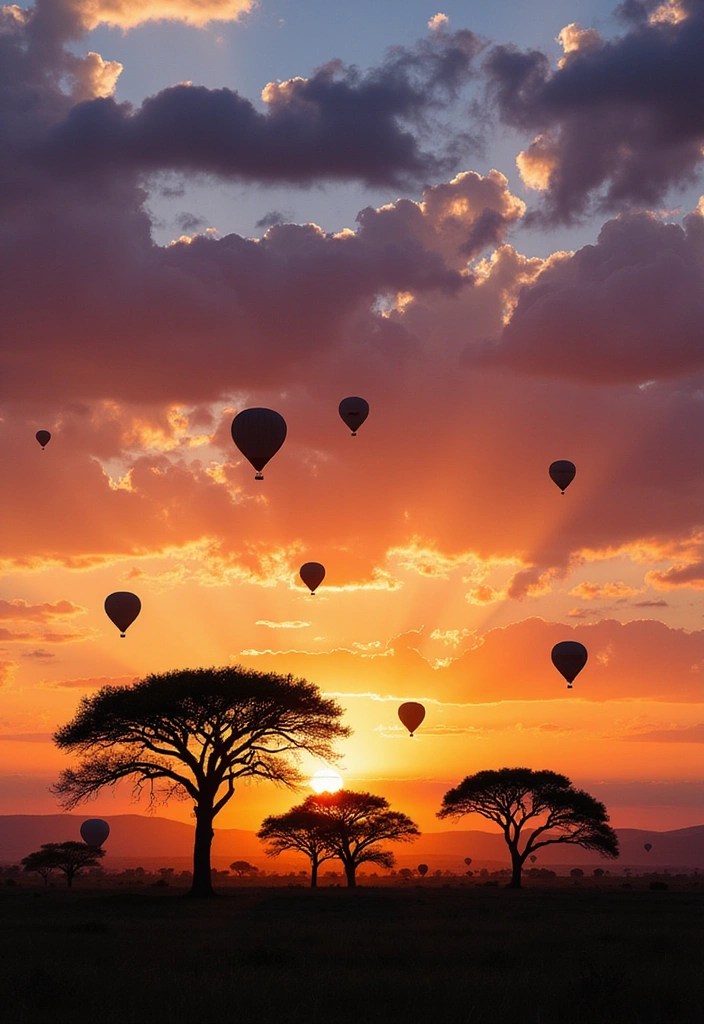
Serengeti National Park is synonymous with the African safari experience, and for good reason. Stretching over 14,750 square kilometers, this UNESCO World Heritage Site is a haven for wildlife enthusiasts. Picture vast savannahs filled with roaming herds of wildebeest, graceful giraffes, and majestic lions lounging under acacia trees.
The Great Migration, occurring from May to October, transforms the park into an epic stage for nature’s most dramatic performances. You can witness thousands of wildebeests crossing dangerous rivers, dodging crocodiles as they make their way to greener pastures.
To truly appreciate the Serengeti’s beauty, consider taking a hot air balloon ride at sunrise. The breathtaking views from above, with the landscape bathed in golden light, are unforgettable.
for visiting:
– Plan your trip during the migration for the best wildlife viewing.
– Opt for guided safari tours to get insider knowledge about the animals.
– Bring binoculars and a good camera to capture those long-distance shots.
This park isn’t just about the big game; it’s also home to over 500 bird species, making it a paradise for birdwatchers looking to spot colorful species like the lilac-breasted roller or the African fish eagle.
2. Mount Kilimanjaro: The Majestic Giant
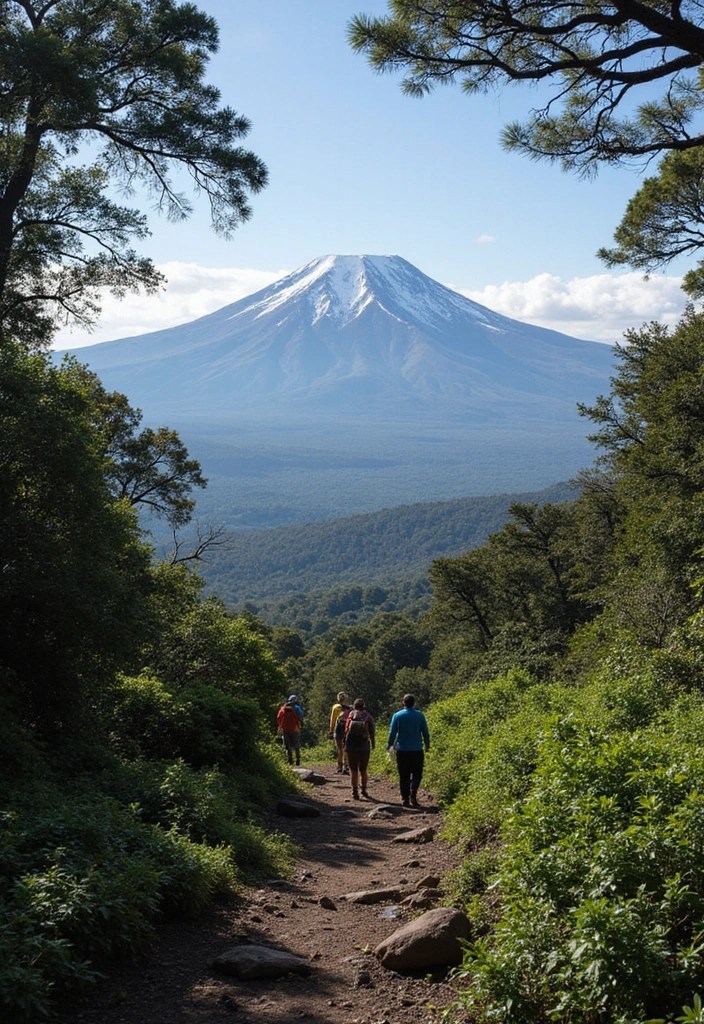
Standing tall at 5,895 meters, Mount Kilimanjaro is not only the highest peak in Africa but also one of the world’s most accessible mountains for trekkers. Its snow-capped summit is a striking contrast against the lush green forest below.
Each trekking route offers something unique, from scenic landscapes to challenging terrains. The Machame Route, known as the ‘Whiskey Route,’ gives you the chance to experience diverse ecosystems, from rainforest to alpine desert.
The view from the top is breathtaking; you’ll be rewarded with panoramic vistas that stretch for miles. Many climbers describe summiting Kilimanjaro as a spiritual experience, filled with moments of reflection and triumph.
Climbing tips:
– Acclimatize properly to avoid altitude sickness.
– Choose the route that fits your fitness level and timeframe.
– Always hike with a guide for safety and support.
Kilimanjaro is not just a mountain; it’s a symbol of adventure, and every trek up its slopes reveals the natural beauty of Tanzania’s diverse landscapes.
3. Ngorongoro Crater: A Natural Wonder
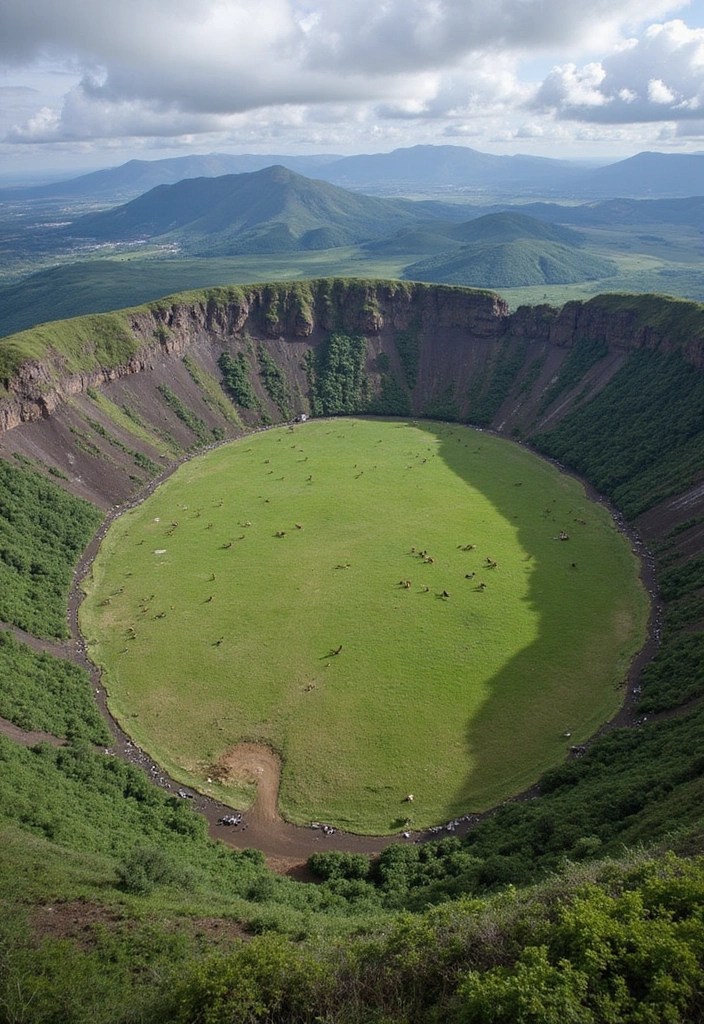
The Ngorongoro Crater is a geological marvel and one of the best-preserved volcanic calderas in the world. Formed millions of years ago, this UNESCO World Heritage site is often referred to as the ‘Garden of Eden’ due to its rich biodiversity.
The crater floor is teeming with wildlife, including the rare black rhino, elephants, and the endangered lion population. The lush grasslands, swamps, and forests within the crater provide a unique habitat for these animals, making it a dream for photographers and nature lovers.
Visiting the Ngorongoro Crater feels like stepping back in time, surrounded by pristine landscapes that showcase nature’s untouched beauty. The dramatic cliffs that encircle the crater offer breathtaking viewpoints.
Visiting suggestions:
– Go on early morning game drives to catch the animals at their most active.
– Take a guided walking tour to learn more about the ecosystem.
– Consider staying overnight in nearby lodges for sunset views over the crater.
A trip to Ngorongoro is not just about wildlife; it’s also about soaking in the profound beauty of its landscapes and experiencing the harmonious coexistence of nature.
4. Lake Ngami: The Serene Oasis
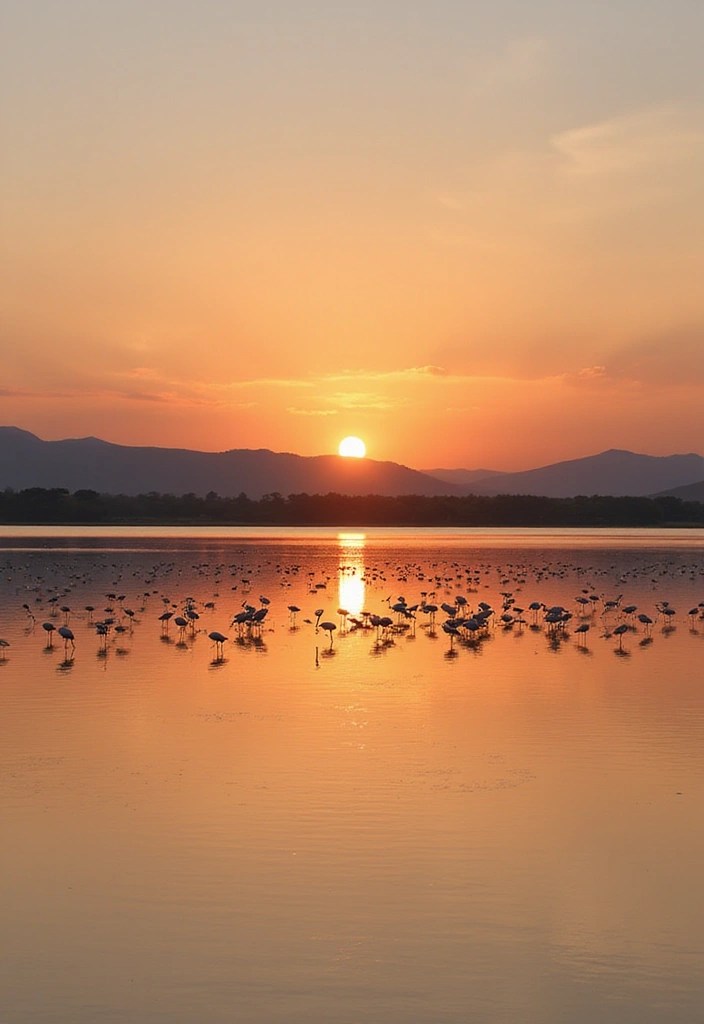
Located near the Kalahari Desert’s edge, Lake Ngami is a stunning pan that attracts hundreds of migratory birds and is a favorite spot for nature lovers looking for tranquility.
Picture vast expanses of water surrounded by golden grasses and acacia trees. It’s an oasis that changes with the seasons—during the wet season, the lake bursts with life, while in the dry season, it shrinks to a shallow pool, revealing hidden landscapes.
Birdwatchers flock here to catch glimpses of colorful species like pelicans and flamingos. It’s common to spot hippos lounging in the shallows, while the surrounding area features unique flora and fauna.
Visitor tips:
– Bring a good pair of binoculars for bird watching.
– Stay in nearby lodges that offer guided tours to explore the area.
– Visit during the wet season for the most vibrant scenery.
Lake Ngami is a hidden treasure waiting to be discovered, perfect for those searching for serenity amidst Tanzania’s natural beauty.
5. Selous Game Reserve: Untamed Wilderness
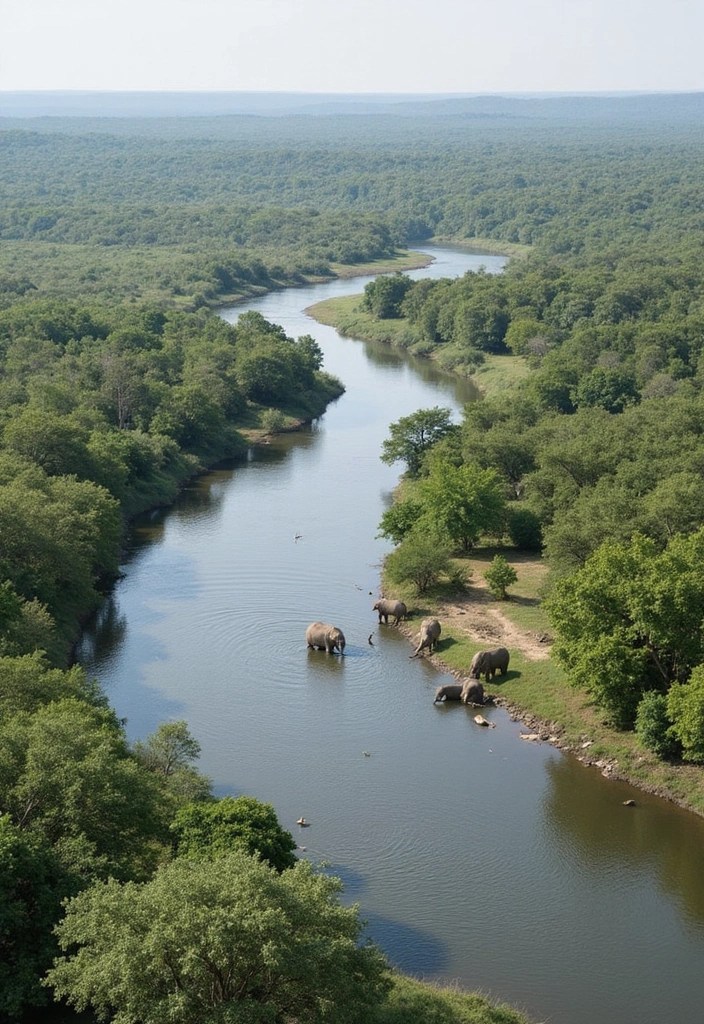
The Selous Game Reserve is one of Africa’s largest protected areas and offers an authentic safari experience away from the crowds. This sprawling reserve is characterized by its unspoiled landscapes, dotted with rivers, lakes, and woodlands.
Wildlife here flourishes, with populations of elephants, wild dogs, and even the elusive leopard roaming freely. Boat safaris on the Rufiji River provide unique perspectives, allowing visitors to see wildlife up close.
The remote nature of Selous adds to its charm; you’ll often find yourself alone in the wild, surrounded by the sounds of nature. It’s a place where adventure and tranquility coexist.
What to consider:
– Choose a mix of walking, boating, and driving safaris for a complete experience.
– Plan your visit during the dry season (June to October) for better wildlife viewing.
– Respect the environment by following park rules and guidelines.
Selous Game Reserve is ideal for those seeking a raw and immersive connection with Tanzania’s natural beauty.
6. Zanzibar’s Beaches: Tropical Paradise

Zanzibar, an archipelago off Tanzania’s coast, is famous for its stunning beaches with powdery white sands and crystal-clear turquoise waters. The island provides a perfect getaway for relaxation, adventure, or cultural immersion.
Beaches like Nungwi and Kendwa on the northern coast are bustling with life, offering water sports, beach bars, and vibrant sunsets. For a quieter experience, head to Paje in the southeast, where you can kite surf or simply unwind under swaying palm trees.
The island’s history as a spice trade hub adds an interesting layer to the experience. You can take spice tours to learn about the aromatic plants that thrive here, or stroll through the narrow streets of Stone Town, a UNESCO World Heritage site, where history comes alive.
Beach tips:
– Visit a variety of beaches to find your personal paradise.
– Explore local seafood dishes at beachside restaurants.
– Don’t forget to try snorkeling at Mnemba Atoll for incredible underwater views.
Zanzibar is the epitome of a tropical escape, where the natural beauty of the beaches meets rich cultural experiences.
7. Ruins of Kilwa Kisiwani: Historic Beauty
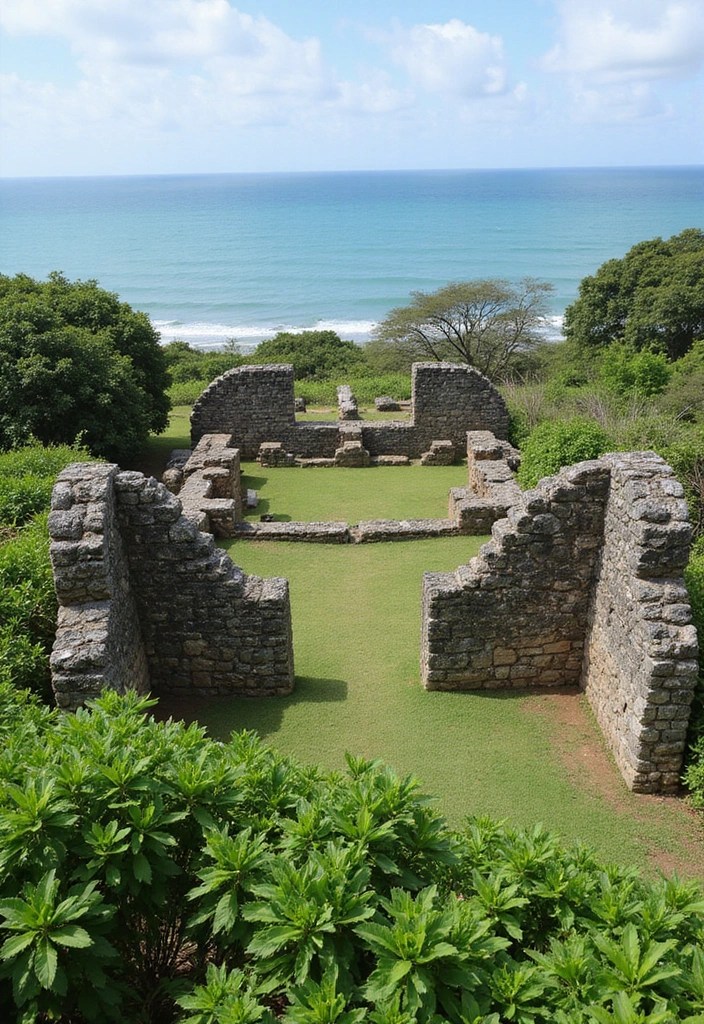
Kilwa Kisiwani, a small island off the southern coast of Tanzania, is an archaeological treasure, home to ancient ruins that tell tales of a once-thriving trading port.
Walking through the remnants of mosques, palaces, and fortifications gives you a glimpse into the past. The grandeur of the Great Mosque, one of the oldest in East Africa, stands in awe-inspiring contrast against the stunning backdrop of the Indian Ocean.
The island is not just about history; it’s surrounded by beautiful beaches and rich marine life. You can snorkel in the clear waters or simply enjoy the view from the shores.
Visiting tips:
– Combine your trip with local community visits to understand the island’s culture.
– Take a guided tour to enhance your understanding of the ruins.
– Bring plenty of water and sun protection as there are limited facilities.
Kilwa Kisiwani offers a unique blend of natural beauty and historical significance, making it a must-visit for anyone interested in both history and stunning coastal views.
8. Tarangire National Park: A Baobab Wonderland

Tarangire National Park is famous for its iconic baobab trees and diverse wildlife. Located just a short drive from the Ngorongoro Crater, it’s often overlooked but offers a unique experience.
The park is home to large herds of elephants, especially during the dry season when they flock to the Tarangire River for water. The landscape is dotted with these ancient trees, creating a picturesque setting that feels like a scene from a storybook.
In addition to elephants, keep your eyes peeled for lions, wildebeests, and an array of bird species that call this park home. A visit here feels like stepping into a wild adventure where nature thrives.
for exploring:
– Plan a visit during the dry season for the best wildlife viewing.
– Consider a night safari for a different perspective of the park.
– Bring a picnic and enjoy lunch surrounded by stunning scenery.
Tarangire is a hidden gem, where the beauty of its landscapes and rich wildlife creates an unforgettable experience.
9. Lake Manyara National Park: The Birdwatcher’s Paradise
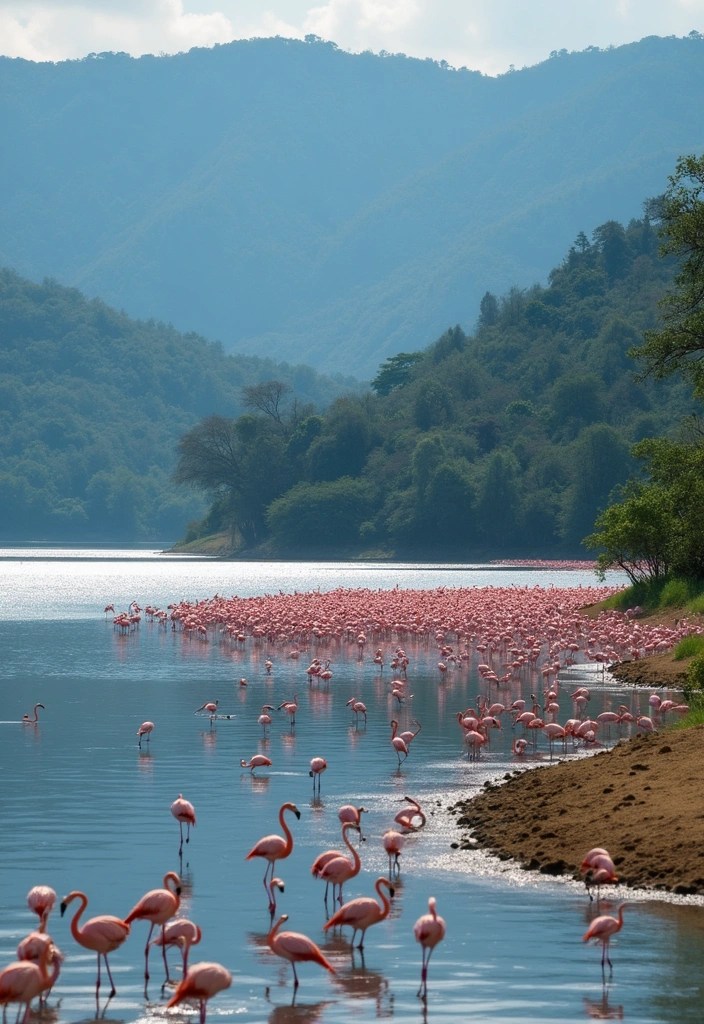
Nestled between the Great Rift Valley and the escarpment, Lake Manyara National Park is a small but spectacular destination known for its diverse ecosystems and rich birdlife.
The park features a unique mix of habitats including woodlands, grasslands, and the alkaline Lake Manyara itself, attracting thousands of flamingos and other bird species. It is often hailed as one of the best places in Africa for birdwatching, with over 400 species recorded.
You’ll also find elephants, hippos, and the rare tree-climbing lions, making it a haven for wildlife enthusiasts. The scenic viewpoints provide stunning panoramas of the lake and surrounding mountains.
Birdwatching tips:
– Opt for early morning or late afternoon game drives to catch the most activity.
– Make sure to bring binoculars and a field guide for bird identification.
– Consider a guided tour to learn about the unique ecology of the area.
Lake Manyara National Park is a vibrant showcase of Tanzania’s natural beauty, offering a perfect mix of birdwatching and wildlife experiences.
Conclusion: Nature Awaits in Tanzania!
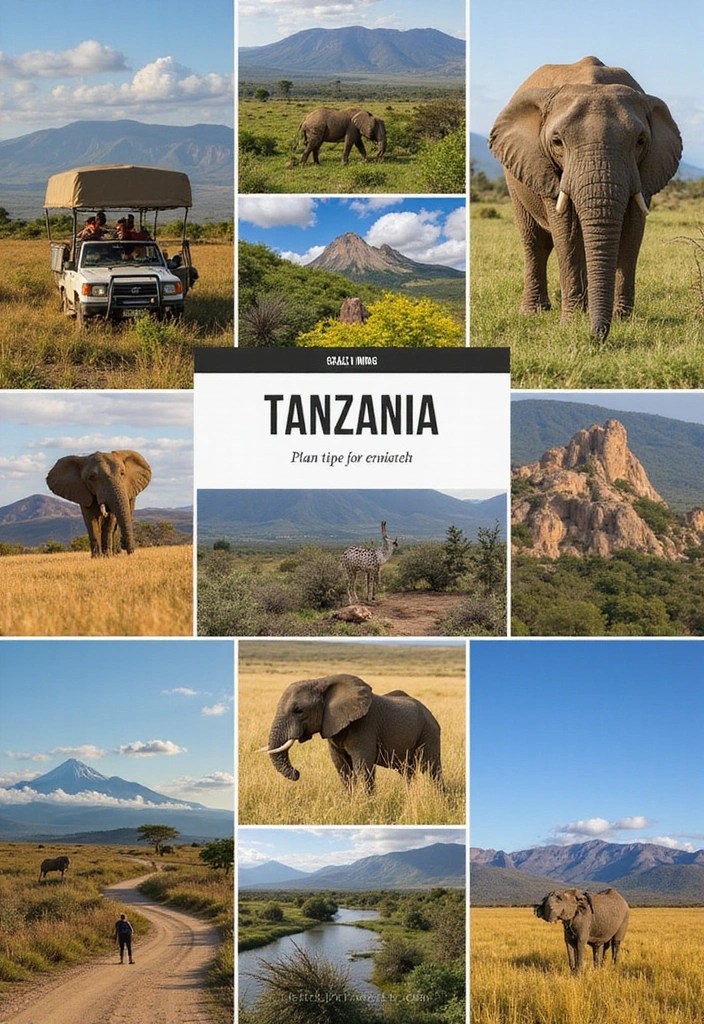
Tanzania is a symphony of natural beauty that resonates deeply with anyone who steps foot on its soil.
From the majestic peaks of Kilimanjaro to the serene shores of Zanzibar, every location tells its own story through breathtaking landscapes and diverse wildlife. Exploring these stunning spots not only enriches your spirit but also fosters a deeper appreciation for our planet’s diverse ecosystems.
So, grab your camera, pack your sense of adventure, and get ready to make memories that will last a lifetime.
 World Tembea
Leave a comment