Tanzania is a dream come true for nature enthusiasts, boasting some of the most magnificent landscapes on the planet. The vibrant ecosystems, diverse wildlife, and stunning terrains create a playground for explorers and photographers alike.
From the iconic Mount Kilimanjaro to the sprawling Serengeti plains, each corner of Tanzania offers a unique experience that leaves a lasting impression. Majestic mountains, tranquil lakes, and vast national parks are just a glimpse of what awaits. Get ready to embark on a visual journey through the eight landscapes that make Tanzania a nature lover’s paradise.
Contents
- 1. Mount Kilimanjaro: The Rooftop of Africa
- 2. Serengeti National Park: The Great Migration
- 3. Ngorongoro Crater: Nature’s Own Enclosure
- 4. Lake Natron: The Colorful Wonder
- 5. Tarangire National Park: The Baobab Trees
- 6. Lake Manyara National Park: The Diverse Ecosystem
- 7. The Selous Game Reserve: Untamed Wilderness
- 8. Zanzibar Archipelago: A Tropical Paradise
1. Mount Kilimanjaro: The Rooftop of Africa
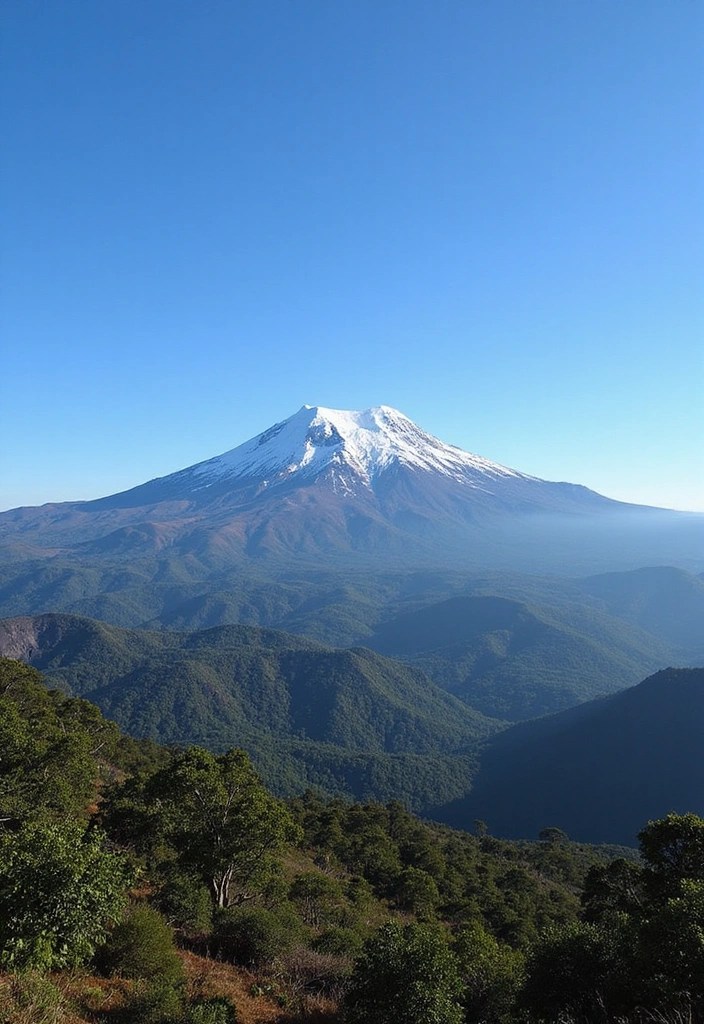
Standing tall at 5,895 meters, Mount Kilimanjaro is not just Africa’s highest peak; it’s a symbol of adventure and natural beauty. This dormant volcano captivates trekkers with its diverse ecosystems, ranging from tropical rainforests at the base to arctic-like conditions at the summit.
Hiking Kilimanjaro is more than just a physical challenge; it’s a journey through varying climates and breathtaking views. The Lemosho and Machame routes are famous for their picturesque landscapes and relatively moderate difficulty, making them popular among first-time climbers.
for hiking:
– Equip yourself with proper gear, including layers for temperature changes.
– Hydration is key; drink plenty of water.
– Consider acclimatization days to adjust to altitude.
Kilimanjaro is a bucket-list destination that offers panoramic views from the top, especially at sunrise when the sun casts a golden hue over the land below.
Many climbers opt for the less crowded routes, which provide solitude and a deeper connection to nature.
2. Serengeti National Park: The Great Migration
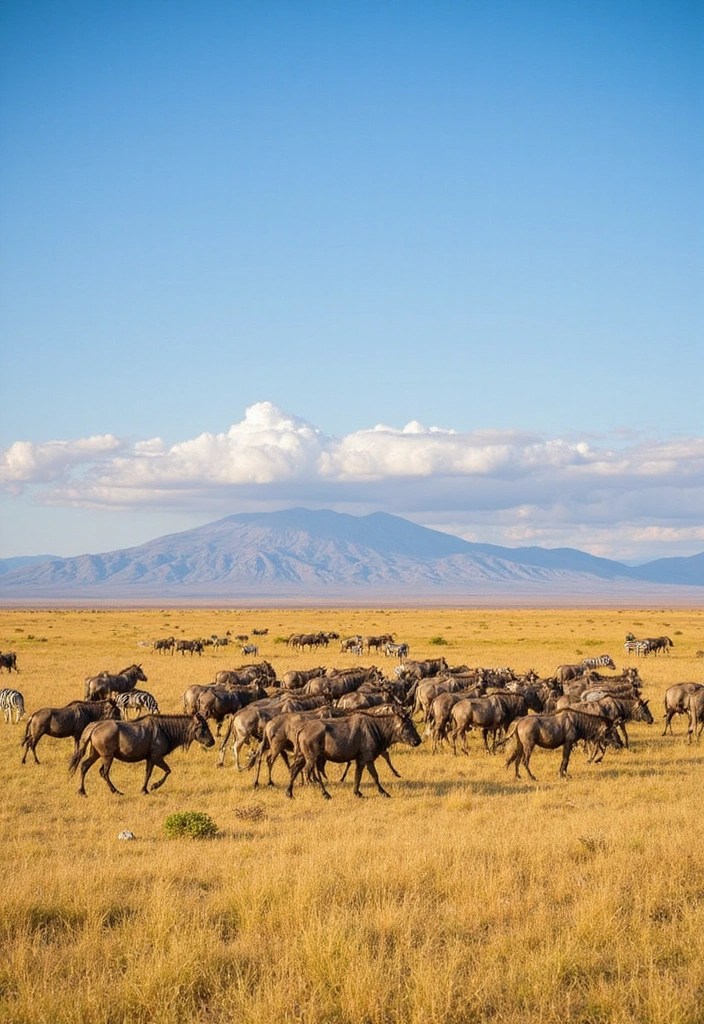
Imagine witnessing one of nature’s most incredible spectacles—the Great Migration. Serengeti National Park is where millions of wildebeests, zebras, and other animals traverse the plains, following ancient paths in search of fresh grazing lands. This migration occurs annually and is a breathtaking sight that can leave any nature lover in awe.
The vast savannahs are dotted with iconic acacia trees and teeming with diverse wildlife, including lions, elephants, and cheetahs, making it a prime location for safari adventures. The park is also a UNESCO World Heritage Site, highlighting its ecological significance.
Best times to visit:
– January to March for calving season when baby wildebeests are born.
– July to October when the herds cross the Mara River, often facing crocodile hazards.
Having a guide can enhance the experience, as they share insights about animal behavior and park ecology, making each safari memorable.
3. Ngorongoro Crater: Nature’s Own Enclosure
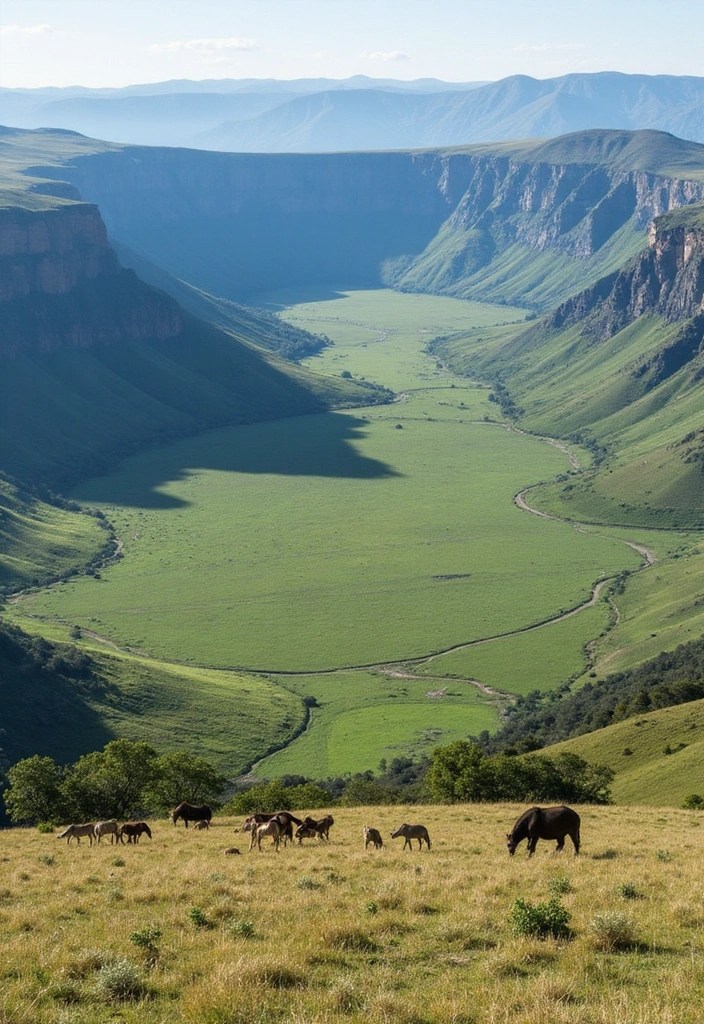
The Ngorongoro Crater is a remarkable caldera formed by a collapsed volcano. It’s often referred to as a ‘Garden of Eden,’ where a thriving wildlife population resides in a self-contained ecosystem. The crater floor is a stunning landscape featuring lakes, grasslands, and forests, home to the Big Five—lions, elephants, buffaloes, leopards, and rhinoceros.
What makes Ngorongoro special?
– The area is rich in cultural significance, inhabited by the Maasai people who coexist with the wildlife.
– The crater itself provides a unique opportunity to see diverse wildlife in one place, often from a distance, thanks to its steep walls.
Best time to visit: The dry season from June to September is ideal for wildlife watching, as animals gather around water sources.
The crater is also known for its stunning sunsets, giving a surreal experience to photographers and nature lovers.
4. Lake Natron: The Colorful Wonder
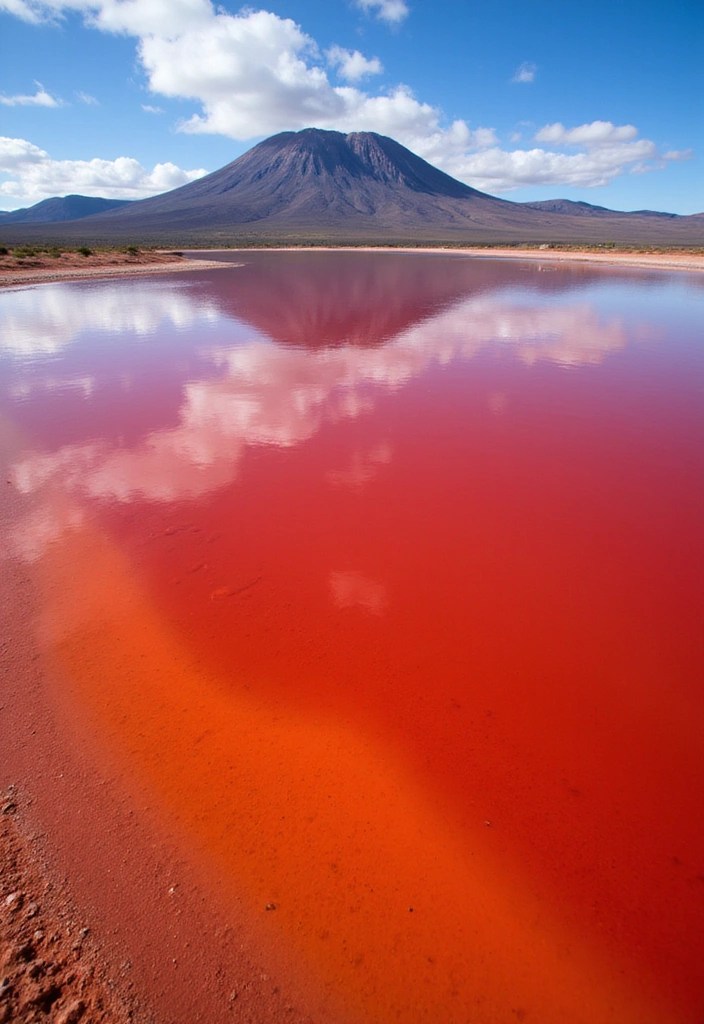
Lake Natron is unlike any other body of water you’ll encounter. Its striking red hue comes from the salt-loving microorganisms and algae that thrive in its high alkalinity and temperature. This alkaline lake is not just a beautiful sight; it’s also a vital breeding ground for lesser flamingos, which flock here in droves.
Exploring Lake Natron:
– Visit the lake during the rainy season when the water levels rise, creating mesmerizing reflective surfaces.
– The nearby Ol Doinyo Lengai volcano provides a stunning backdrop, contrasting with the vibrant lake.
The lake’s high temperatures can be dangerous; it’s best to admire from a distance and enjoy the scenery without getting too close.
Photographers will find Lake Natron a paradise, offering surreal landscapes that seem almost otherworldly.
5. Tarangire National Park: The Baobab Trees
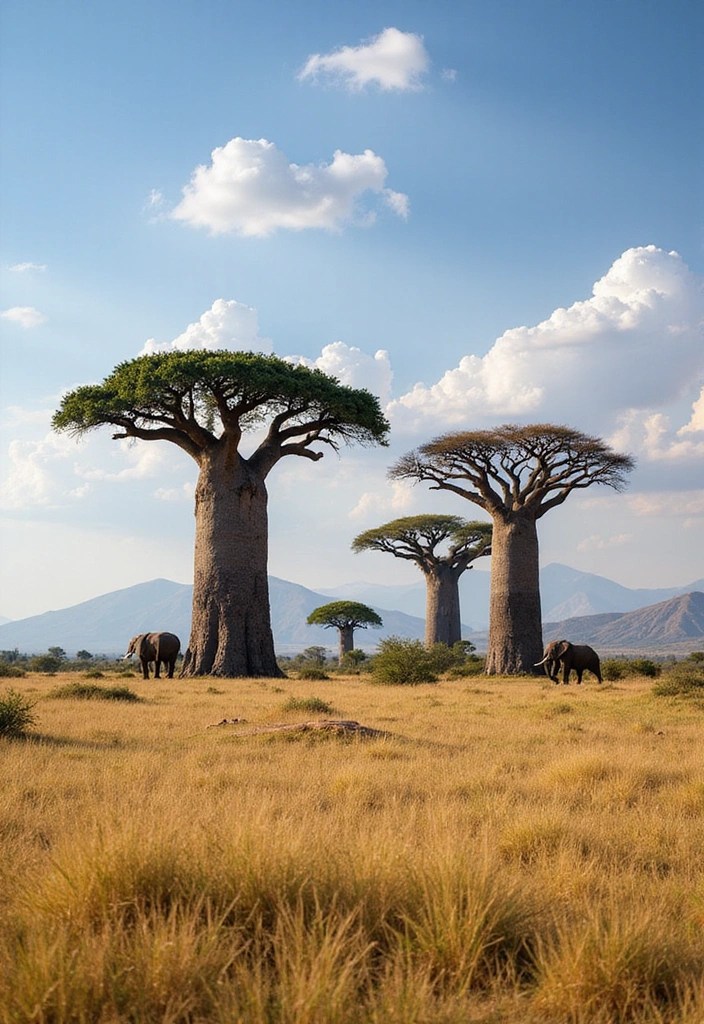
If you’re drawn to unique flora and fauna, Tarangire National Park is a must-visit. This less-crowded gem is famous for its colossal baobab trees, which dot the landscape like ancient sentinels. The park’s diverse habitats range from open woodlands to swamps, making it a hotspot for wildlife.
During the dry season, elephants come in large numbers to Tarangire, making it one of the best places to see these gentle giants up close. The park is also home to various antelope species, lions, and a plethora of bird species, including the colorful lilac-breasted roller.
– Consider a guided walking safari for a more intimate experience with nature.
– The park’s unique vegetation creates a stunning backdrop for photography, especially at sunrise and sunset.
Bring binoculars to spot elusive wildlife and enjoy birdwatching throughout the park.
6. Lake Manyara National Park: The Diverse Ecosystem
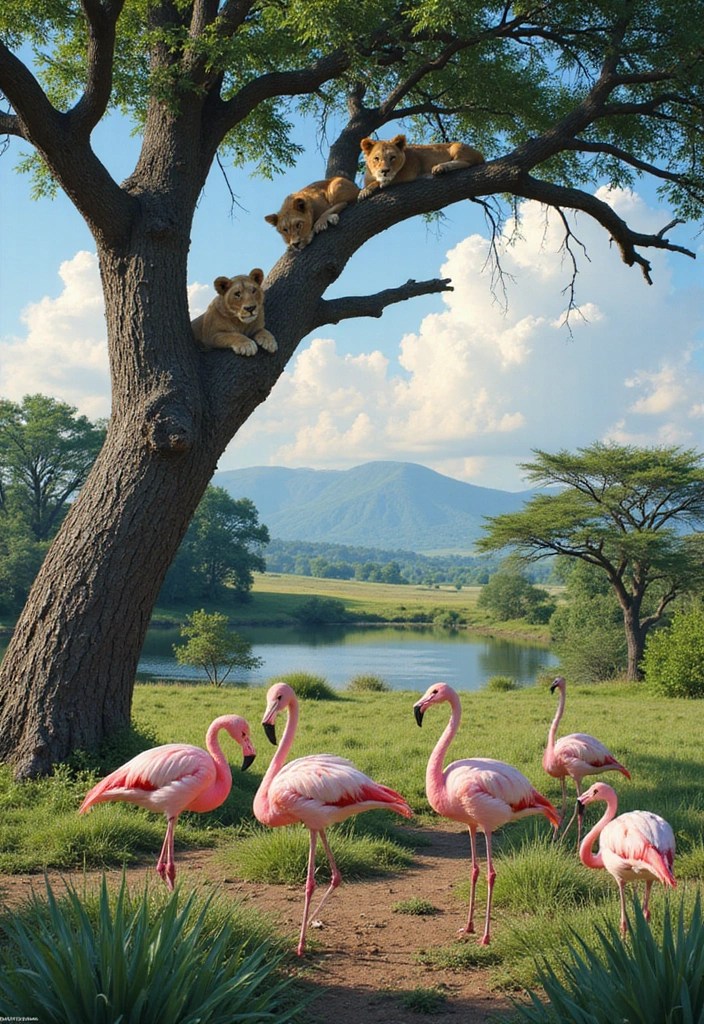
Lake Manyara National Park is a gem known for its diverse ecosystems. From lush rainforests to grassy plains, this park provides a stunning array of landscapes. The park is famous for its tree-climbing lions, which can often be seen lounging on branches, a rare sight in the animal kingdom.
The lake itself attracts flocks of flamingos and other bird species, making it a birdwatcher’s paradise. With about 400 species recorded, the park is a haven for avid birders.
– The park offers walking safaris to experience the flora and fauna up close.
– Look out for the elusive blue monkeys and other primates that inhabit the forest area.
Visit during the wet season (November to March) to witness the park at its most vibrant, with lush greenery and abundant wildlife.
7. The Selous Game Reserve: Untamed Wilderness
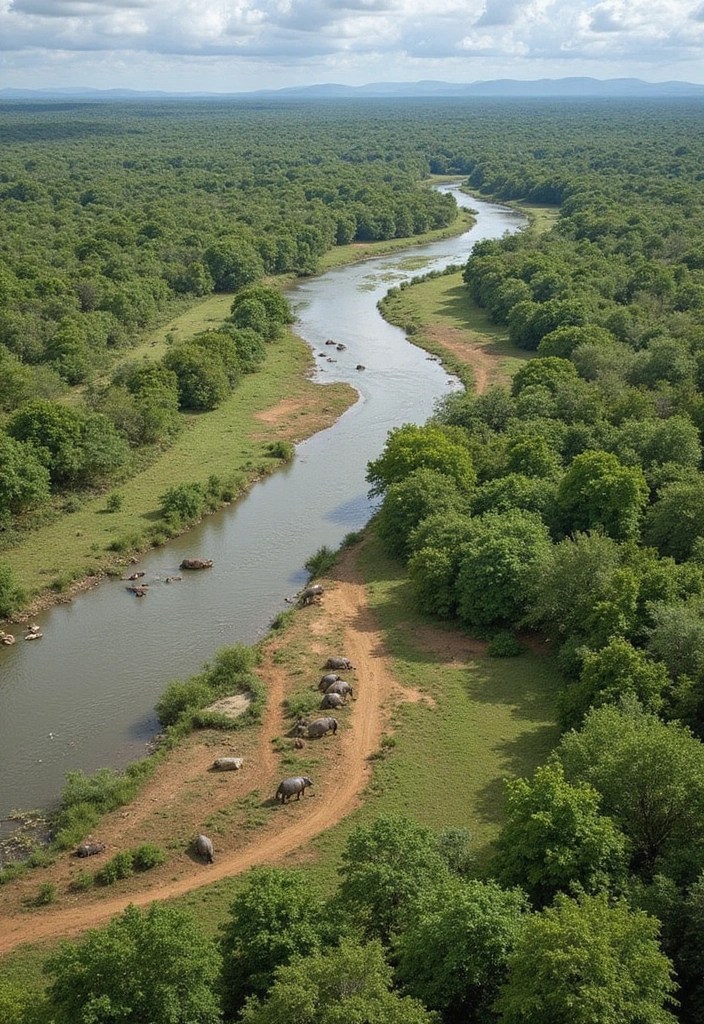
The Selous Game Reserve is one of Africa’s largest protected areas and remains largely undeveloped, making it a true wilderness. Here, you can experience the authentic safari vibe, far away from the crowds. The reserve is packed with diverse wildlife, including elephants, lions, and the rare African wild dog.
– Visitors can explore the area through boat safaris along the Rufiji River, providing a different perspective and the chance to see hippos and crocodiles up close.
– The reserve is less commercialized, allowing for more intimate wildlife experiences.
Best time to visit: The dry season from June to October is preferable for wildlife spotting.
Photographers will find the Selous Game Reserve overflowing with opportunities to capture stunning shots of animals in their natural habitats.
8. Zanzibar Archipelago: A Tropical Paradise
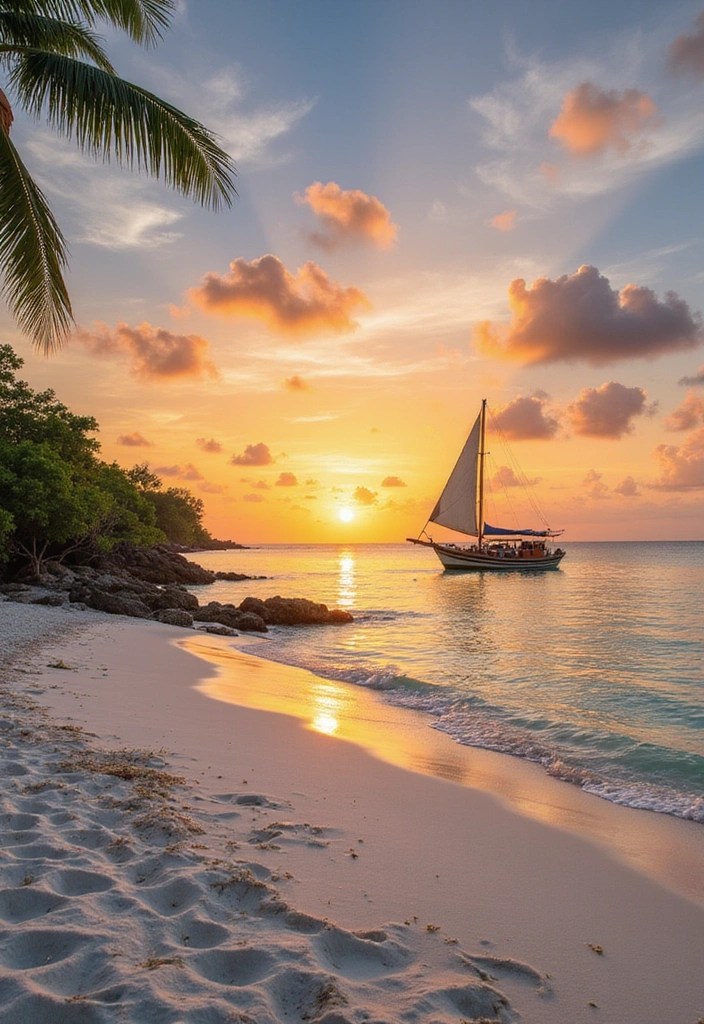
After exploring Tanzania’s mainland, a visit to Zanzibar is the perfect way to unwind. Known for its pristine beaches and crystal-clear waters, Zanzibar offers a different kind of beauty. The archipelago is rich in culture, vibrant markets, and stunning coral reefs perfect for snorkeling and diving.
Don’t miss:
– Stone Town, a UNESCO World Heritage Site, where you can stroll through narrow alleys filled with history and local crafts.
– The spice farms that showcase Zanzibar’s rich agricultural heritage.
The sunsets on the beaches of Zanzibar are nothing short of magical, often painted in hues of orange and purple. It’s the perfect way to end a day of exploration.
Opt for a sunset dhow cruise to soak in the beauty of the coastline while enjoying the gentle sea breeze.
Conclusion
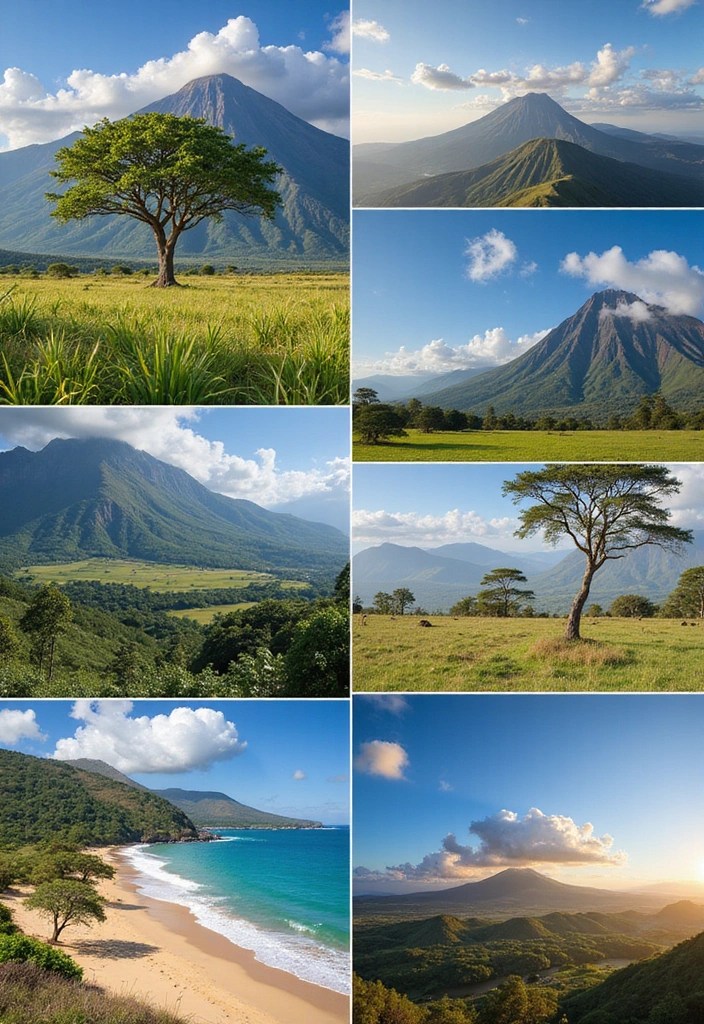
Tanzania landscapes are a tapestry of beauty and adventure, each offering something unique for nature lovers. From the towering peaks of Kilimanjaro to the serene beaches of Zanzibar, every landscape tells a story waiting to be discovered.
Getting lost in these natural wonders is an experience that transforms the soul, bringing us closer to the world around us. Whether you’re an adventurer, a photographer, or simply a lover of nature, Tanzania promises unforgettable memories and breathtaking sights.
 World Tembea
Leave a comment