Learning has transformed dramatically in recent times, especially with the internet at our fingertips. There’s a world of online skills lying just beneath the surface, waiting for passionate learners to dive in. These are not just ordinary skills; they are your ticket to personal growth and enhancement, making your knowledge sharper and your mind more agile. Each skill offers a unique way to elevate your abilities, from creative pursuits to technical know-how.
The beauty of online learning is that it’s flexible and accessible, allowing you to develop skills at your own pace. Whether you’re a busy professional or a student looking to bulk up your resume, there’s something here for everyone. So, if you’re ready to emerge from the ordinary and into the extraordinary, keep reading to discover some incredible online skills that can reshape your understanding and capabilities.
Contents
- 1. Digital Marketing Mastery
- 2. Graphic Design Foundations
- 3. Coding for All
- 4. Public Speaking Skills
- 5. Financial Literacy
- 6. Foreign Language Acquisition
- 7. Creative Writing and Storytelling
- 8. Video Editing Skills
- 9. Time Management Strategies
- 10. Photography Skills
- 11. Problem-Solving Techniques
- 12. Mindfulness and Stress Management
- 13. Social Media Management
- 14. Data Analysis Skills
- 15. Online Teaching and Tutoring
- 16. Resume and Interview Skills
- 17. Networking and Relationship Building
- 18. Emotional Intelligence Development
1. Digital Marketing Mastery

In a world dominated by online presence, mastering digital marketing can catapult your career to new heights. This skill encompasses a range of techniques, from SEO and social media management to content creation and email campaigns. With businesses increasingly shifting online, understanding digital marketing is like holding a golden ticket in today’s job market.
Start with free resources like Google’s Digital Garage or HubSpot Academy. These platforms offer a trove of insights into how search engines work and how to engage audiences effectively. Joining communities on platforms like LinkedIn can also help you network with industry professionals while you learn.
Create your own projects, whether it’s a blog or a social media page to test your skills. Track your progress, and don’t hesitate to analyze what works and what doesn’t.
Digital marketing is more than just advertisements; it’s about telling a story that resonates with your audience. The better you can connect and communicate, the more successful your campaigns will be.
2. Graphic Design Foundations

Graphic design isn’t just for those in creative fields; it’s a valuable asset to anyone wanting to make an impact. From creating social media posts to designing presentations, a solid foundation in graphic design can set you apart from your peers. Tools like Canva and Adobe Spark have made design accessible, even for novices.
Begin with the basics: familiarize yourself with color theory, typography, and layout principles. Online platforms like Skillshare and Adobe’s tutorials offer beginner-friendly lessons that can spark your creativity. Don’t forget to challenge yourself with small projects, like redesigning a favorite brand’s logo or creating an infographic.
Keep a portfolio of your designs. As you progress, this can be a powerful way to showcase your skills to potential employers.
Good design communicates ideas quickly. Learning to design isn’t just about aesthetics; it’s about conveying a message effectively and artfully.
3. Coding for All

In our increasingly tech-driven world, coding is an essential skill that opens many doors. Whether it’s developing websites or creating apps, knowing how to code can set you apart. Platforms like Codecademy and freeCodeCamp offer interactive courses that cater to all skill levels, making it easier to get started.
Begin with a language that’s beginner-friendly, like Python or JavaScript. Setting small goals can keep you motivated—try building a simple website or a fun personal project to apply what you’ve learned. Joining online coding communities can also provide support and inspiration.
Don’t rush! Debugging is part of coding. Embrace mistakes as learning opportunities.
Learning to code is like learning a new language. The more you practice, the more fluent you become, and soon, you’ll be able to express complex ideas through code.
4. Public Speaking Skills

Public speaking can be intimidating, but it’s a skill that can enhance your career and personal life significantly. Whether you’re presenting in a meeting or giving a speech, effective communication is key. Online courses like those on Coursera and TED-Ed offer helpful tips on body language, tone, and structuring your speech for maximum impact.
Start by practicing in front of a mirror or recording yourself to analyze your delivery. Join groups like Toastmasters to practice speaking regularly in a supportive environment. Remember, practice makes perfect! Even the most seasoned speakers started somewhere.
Focus on storytelling. People connect with stories more than facts. Make your message relatable and engaging.
The ability to communicate clearly can make you a leader in any situation. It empowers you to influence and inspire those around you.
5. Financial Literacy

Understanding finances is crucial in today’s world. Whether it’s budgeting, investing, or saving for retirement, financial literacy can drastically improve your quality of life. Online platforms like Khan Academy and Coursera offer courses that break complex financial concepts into manageable, understandable pieces.
Start by tracking your expenses and creating a budget using tools like Mint or YNAB. It’s essential to understand where your money goes. Dive into investing basics to learn about stocks, bonds, and mutual funds, paving the way for smarter financial decisions.
Don’t be afraid to ask questions. Join forums or groups where you can learn from others’ experiences.
Financial knowledge can lead you to freedom. The more you know, the less you’ll have to worry about money managing you.
6. Foreign Language Acquisition
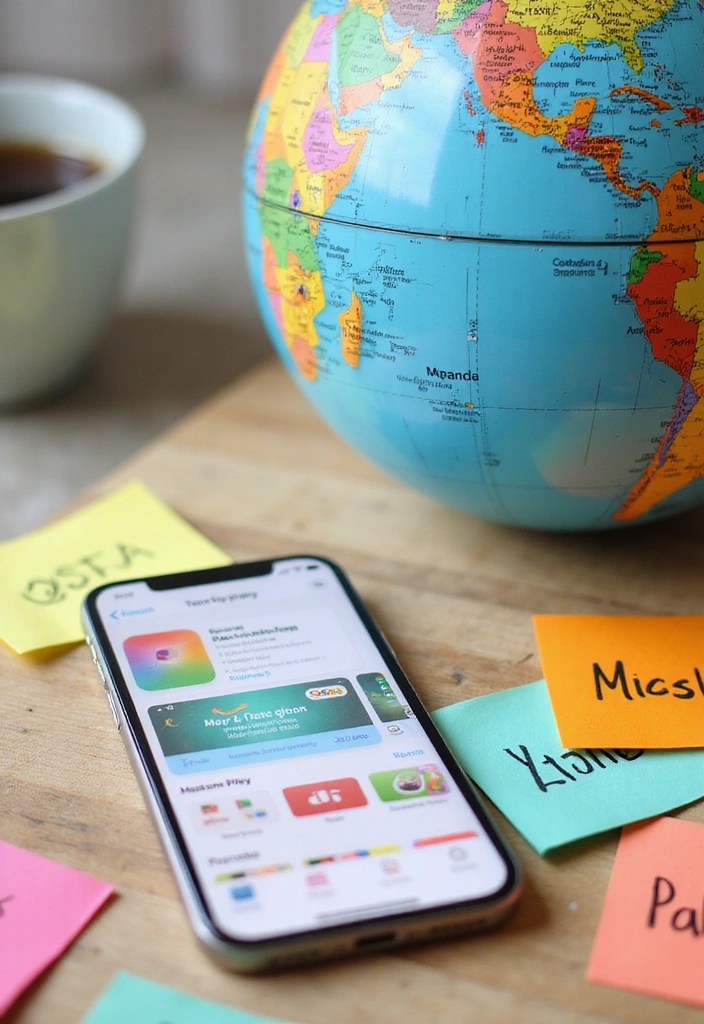
Learning a new language can open doors to understanding different cultures and enhancing your career prospects. With apps like Duolingo and Babbel, acquiring a foreign language has never been easier. These tools not only offer structured lessons but also make learning fun with games and challenges.
Begin with daily practice, even if it’s just a few minutes. Focus on vocabulary and phrases that are relevant to your life to keep things interesting. Engaging with native speakers through language exchange platforms like Tandem can also boost your confidence.
Don’t shy away from making mistakes; they’re part of the learning curve! Embrace every opportunity to practice.
Learning a language is like learning to see the world differently. It enhances cognitive skills and promotes empathy by connecting you to diverse perspectives.
7. Creative Writing and Storytelling

Creative writing is a fantastic outlet for self-expression and can be incredibly fulfilling. Whether you’re interested in fiction, poetry, or blogging, honing your writing skills can unleash your creativity while improving your communication abilities. Websites like Coursera and Skillshare offer courses covering different writing styles and techniques to refine your craft.
Start by setting a daily writing goal, even if it’s just a few sentences. Join writing circles or online groups where you can share your work and gain constructive feedback. Reading widely can also inspire your writing and help you understand different styles.
Keep a journal. It’s a great place to practice and experiment without pressure.
Writing is a powerful tool for personal growth. It can help clarify your thoughts and feelings and even serve as a creative catharsis.
8. Video Editing Skills
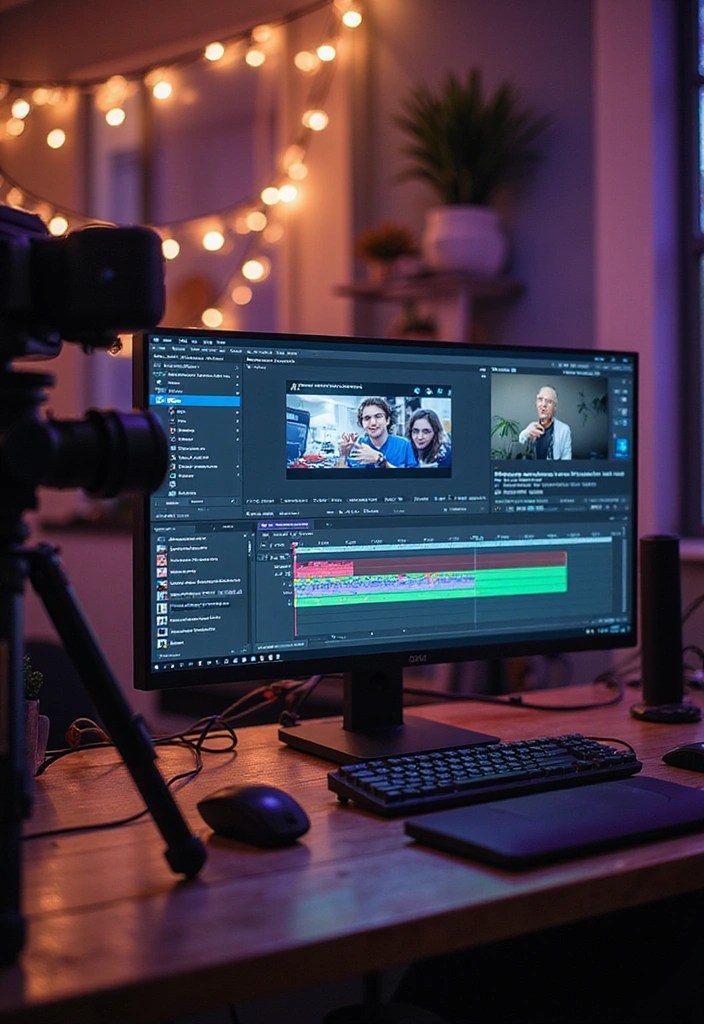
In our visual-centric world, video content reigns supreme. Mastering video editing can enhance your storytelling abilities and make your content stand out. Tools like Adobe Premiere Pro, Final Cut Pro, or even user-friendly options like iMovie or Filmora provide vast possibilities for creatives.
Begin with understanding the basics: transitions, effects, and audio editing. Online tutorials can guide you through techniques to improve your editing skills. Don’t forget to experiment with different styles to find your voice. Create short videos or vlogs to practice.
Learn to tell a story through your edits; pacing and rhythm are crucial.
Video editing combines technical skills with artistry. It’s an opportunity to bring your vision to life, making it more engaging for your audience.
9. Time Management Strategies

Time management is an invaluable skill in today’s fast-paced world. Mastering this skill can transform your productivity and help you maintain a work-life balance. Online courses from platforms like Udemy and LinkedIn Learning offer practical strategies for effective time management, including prioritization and planning techniques.
Start by analyzing how you spend your time. Tools like Trello and Todoist can help organize tasks and set deadlines. Techniques like the Pomodoro Technique, where you work for 25 minutes and then take a 5-minute break, can boost focus and efficiency.
Don’t forget to set realistic goals. Overloading your schedule can lead to burnout!
Good time management means making time for what truly matters. It enhances your overall well-being and brings clarity to your goals.
10. Photography Skills

Photography is more than just taking pictures; it’s about capturing moments and telling stories through images. With the rise of social media, great photography skills can enhance your personal brand or even start a new career. Online courses from platforms like MasterClass and Skillshare can introduce you to various techniques, from composition to editing.
Begin with your smartphone; it’s a powerful tool! Experiment with angles, lighting, and settings to discover your style. Learning the basics of photo editing can elevate your images to another level.
Create a photo challenge for yourself, like a 30-day project focusing on different themes.
Photography enhances your observation skills. It encourages you to notice beauty and details in everyday life, making you more present.
11. Problem-Solving Techniques

In both personal and professional lives, strong problem-solving skills are crucial. They enable you to navigate challenges and make informed decisions. Online platforms like edX and LinkedIn Learning offer valuable courses on critical thinking and effective problem-solving methodologies.
Begin by practicing brainstorming techniques. Engage in group discussions or case studies to explore various solutions. Learning about decision-making frameworks can also enhance your ability to analyze situations critically.
Don’t rush to conclusions; take the time to weigh your options thoroughly.
Good problem-solving skills not only help you find solutions but also foster a sense of confidence and resilience in facing challenges.
12. Mindfulness and Stress Management

In today’s fast-paced world, mindfulness and stress management techniques are becoming increasingly important. These skills can help you remain grounded and focused, improving not just mental health but overall well-being. Online resources such as Headspace and Calm provide guided meditations and mindfulness exercises to get you started.
Begin by incorporating short mindfulness practices into your daily routine, like deep breathing or mindful walking. Setting aside time for yoga or journaling can also enhance your mindfulness journey.
Consistency is key! Even a few minutes each day can lead to significant improvements.
Mindfulness fosters a sense of connection between your mind and body, enabling you to respond to challenges with clarity and calmness, rather than reacting impulsively.
13. Social Media Management

Social media has transformed how we communicate and share information. Knowing how to manage social media effectively can enhance your personal brand or boost a company’s online presence. Online courses on platforms like Hootsuite and Buffer offer insights into strategies for successful social media campaigns.
Start by choosing a platform that interests you and dive into understanding its algorithms and audience engagement strategies. Creating a content calendar can help maintain consistent posting. Analyze successful accounts to learn what works.
Engage with your audience. Responding to comments and messages builds relationships and fosters community.
Mastering social media can empower you to tell your story and connect with others who share your passions.
14. Data Analysis Skills

In our data-driven world, the ability to analyze data is more important than ever. Data analysis skills can help you make informed decisions, whether in business or personal projects. Online learning platforms like Coursera and DataCamp offer courses on basic statistics, SQL, and data visualization tools like Tableau.
Start by familiarizing yourself with basic data concepts. Engage with real-world datasets to practice your skills. Learning to visualize data can also enhance your ability to communicate your findings effectively.
Work on projects that interest you; it makes the learning process more enjoyable!
Analyzing data can uncover trends and insights that might not be immediately visible, equipping you with the knowledge to drive meaningful change.
15. Online Teaching and Tutoring

With the rise of online learning, the demand for online teaching and tutoring is growing. Whether you’re an expert in a subject or passionate about sharing your knowledge, teaching online can be incredibly rewarding. Websites like Udemy and Teachable allow you to create courses or offer one-on-one tutoring sessions.
Start by identifying your strengths and creating a course outline. Engaging visuals and interactive content can enhance your teaching. Promoting your courses through social media can help reach a wider audience.
Gather feedback from your students to continually improve your teaching methods.
Teaching isn’t just about sharing knowledge; it’s also about inspiring others and fostering a love for learning.
16. Resume and Interview Skills

Your resume and interview skills are crucial in landing a job. Knowing how to present yourself effectively can make a significant difference. Online resources and workshops can guide you through creating standout resumes and preparing for interviews.
Start by researching the roles you’re interested in. Tailor your resume to highlight relevant experiences and skills. Practice common interview questions with a friend or use platforms that offer mock interviews.
Follow up after an interview. A thank-you email can leave a positive impression.
Strong resume and interview skills not only help you get hired; they enhance your confidence in presenting yourself professionally.
17. Networking and Relationship Building

Building a robust professional network is essential for career success. Effective networking can open doors to new opportunities and collaborations. Online platforms like LinkedIn are excellent for connecting with industry professionals and expanding your network.
Start by reaching out to colleagues, former classmates, or professionals in your field. Attend webinars or online events to meet new people and engage in meaningful conversations. Building genuine relationships is key; focus on giving value before seeking benefits.
Keep your online presence active by sharing insights and engaging with others’ content.
Networking is not just about gaining opportunities; it’s about creating a supportive community that fosters growth and collaboration.
18. Emotional Intelligence Development

Emotional intelligence (EI) is the ability to understand and manage your emotions while recognizing and influencing the emotions of others. Developing EI can significantly enhance your interpersonal relationships and communication. Online resources like books, courses, and workshops can help you improve your emotional intelligence.
Begin by practicing self-awareness. Reflect on your emotions and how they affect your interactions with others. Engage in active listening during conversations to improve your empathy.
Seek constructive feedback from trusted friends or colleagues to understand your emotional responses better.
High emotional intelligence can lead to more satisfying relationships, both personally and professionally, as it nurtures understanding and connection.
Conclusion

Embarking on a journey to acquire new online skills can significantly enhance your personal development and overall knowledge. The skills explored here not only prepare you for professional challenges but also enrich your life in countless ways. Embrace the growth opportunities that come with learning something new, and remember that every small step counts towards your overall development.
Reflect on which skills resonate with you and consider taking the plunge. The world is full of knowledge waiting to be unlocked!
 World Tembea
Leave a comment